
Exercise Benefits: Why Moving More Matters for Your Health
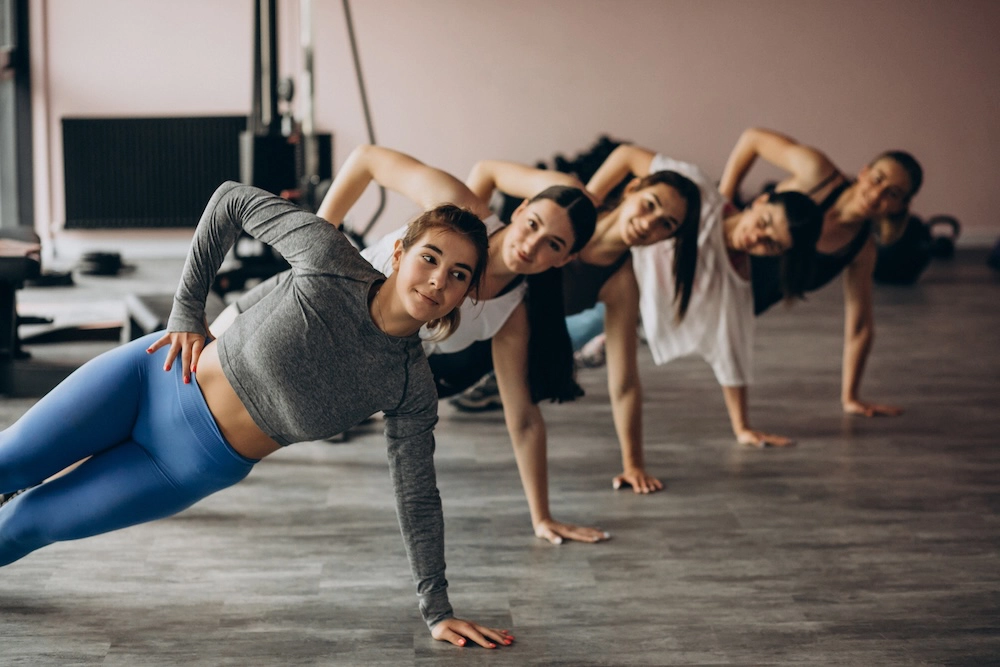
Regular movement supports far more than fitness. Physical activity can improve cardiovascular health, strength, mobility, sleep, mood, and the ability to manage everyday tasks.
The useful part is that you do not need to train like an athlete to benefit. Some movement is better than none, and a routine that fits your real life is usually easier to maintain.
Exercise Supports the Heart and Circulation
Aerobic activities such as brisk walking, cycling, swimming, and dancing make the heart and lungs work harder. Over time, regular aerobic activity can improve cardiorespiratory fitness and contribute to better cardiovascular health.
If you are new to aerobic exercise, our guide to cardio training for beginners explains how to increase your activity without making every workout feel exhausting.
Even small changes count. Walking during lunch, taking the stairs, or adding movement to your commute can help you become more active across the week.
Strength Helps You Stay Capable
Strength training is useful at many stages of life. Resistance bands, bodyweight exercises, free weights, and appropriately designed machines can help maintain or build muscle.
Strength supports everyday tasks such as carrying groceries, climbing stairs, getting up from a chair, and maintaining independence as you age. You can learn more about the benefits of strength training and how resistance exercise can fit into a balanced activity plan.
Beginners do not need complicated routines. A simple programme using major movement patterns is usually enough to establish consistency.
Flexibility and Mobility Matter Too
Flexibility is not the same as fitness, but comfortable movement through a useful range of motion can make everyday activities and exercise feel easier.
Stretching should feel controlled rather than painful. If you are unsure where to begin, these flexibility workouts for beginners provide a straightforward starting point.
Mobility work can complement strength and aerobic training rather than replacing them.
Exercise Can Support Mood and Sleep
Many people notice that a walk or workout helps them feel less tense, more alert, or better able to switch off after a stressful day.
Regular physical activity can also support sleep quality. However, exercise should not be presented as a replacement for professional care when someone has persistent depression, anxiety, severe insomnia, or another health condition.
The goal is to use movement as one part of a broader approach to health.
You Do Not Need Long Workouts
Adults are generally encouraged to work towards at least 150 minutes of moderate-intensity aerobic activity each week and muscle-strengthening exercise on at least two days.
That total does not have to come from long gym sessions. If you want practical ideas, these 7 ways to move more show how short periods of activity can fit into ordinary routines.
Ten minutes after lunch and another short walk later in the day may be easier to sustain than committing to a long workout every morning.
Make Exercise Work Around Your Schedule
Time is one of the most common barriers to physical activity. Rather than waiting for a completely free hour, look for smaller opportunities that already fit around your day.
People with demanding schedules may find it useful to learn how to make time for physical activity during a busy week.
Parents face a different set of challenges, especially when childcare and household routines make structured exercise difficult. These quick workouts for busy parents focus on shorter, more realistic options.
Does Exercise Timing Matter?
You may have heard claims that morning, afternoon, or evening exercise is always best. In practice, the most useful schedule is often the one you can follow consistently.
Our guide to the best time to exercise explains how sleep, performance, routine, and personal preference can influence workout timing.
Unless timing affects your sleep or conflicts with medical advice, consistency usually matters more than chasing a supposedly perfect hour.
Start Simple if You Are a Beginner
Starting too aggressively is one of the easiest ways to make exercise feel unsustainable.
If you are returning after a long break or have never followed a structured plan, begin with a simple beginner workout routine that allows your body time to adapt.
Increase duration, resistance, or intensity gradually rather than changing everything at once.
Know When to Ask for Advice
Most people can benefit from becoming more active, but exercise should still be matched to individual ability and health.
Speak with a qualified healthcare professional if you have a chronic medical condition, recent injury, significant mobility limitation, unexplained shortness of breath, chest pain, dizziness, or other symptoms that make exercise safety uncertain.
FAQs
How quickly do exercise benefits appear?
Some effects, such as improved mood or energy after a session, may be noticeable quickly. Fitness, strength, and longer-term health benefits develop through regular activity.
Does housework count as exercise?
Some household tasks can contribute to physical activity when they require enough effort to raise your breathing and heart rate.
Do I need to exercise every day?
No. Weekly activity can be spread across several days, with rest and recovery depending on the type and intensity of exercise.
