
Flexibility Workouts for Beginners: How to Stretch Safely
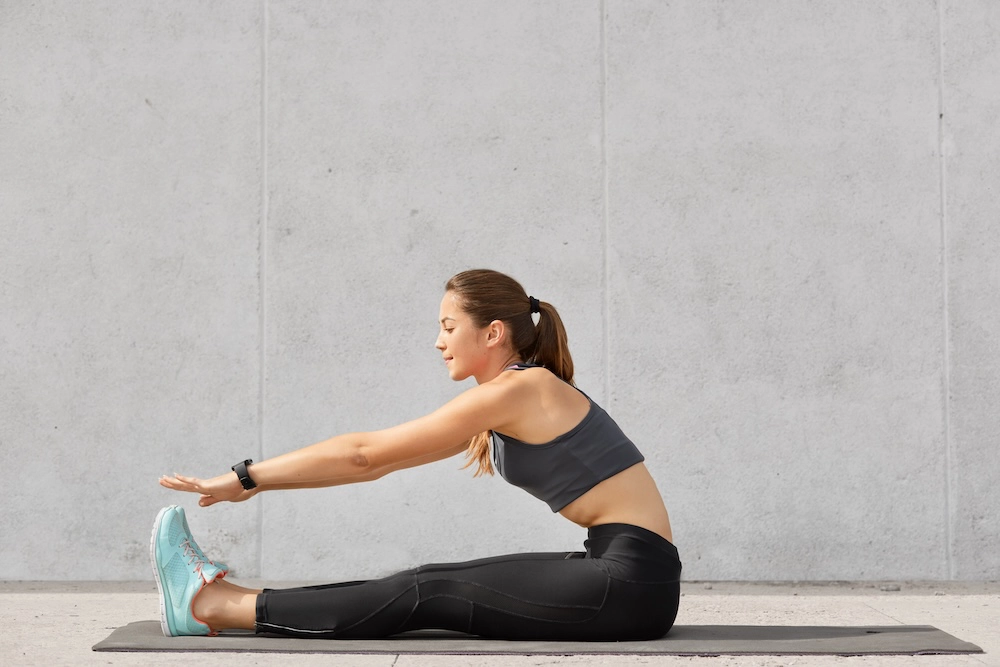
Flexibility training can make everyday movement feel easier and can complement strength and aerobic exercise. It should feel like a controlled stretch, not a test of how far you can force a joint.
Warm Up Before Deeper Stretching
Cold muscles are less prepared for large ranges of motion. A few minutes of easy walking, cycling, or gentle movement can help you feel more comfortable before longer static stretches.
Focus on Major Areas
Beginners often benefit from working on the calves, hamstrings, hips, chest, shoulders, and upper back. Hold a comfortable stretch without bouncing. Breathe normally and keep the position steady.
Do Not Stretch Into Pain
A mild pulling sensation is normal. Sharp pain, tingling, numbness, or joint pain is not. Back off if a position feels wrong. Flexibility differs from person to person, so copying someone else’s range can be counterproductive.
Pair Flexibility With Strength
Flexibility alone is not a complete fitness plan. Strength around a joint helps you control the movement available to you. A balanced routine includes aerobic activity, muscle strengthening, and mobility or flexibility work.
Progress Gradually
Consistency matters more than forcing a dramatic change in range. A short routine several times a week is often easier to maintain than one long session.
People recovering from an injury, living with joint instability, or dealing with a neurological or musculoskeletal condition should ask an appropriate clinician or physiotherapist whether particular stretches are suitable.
A simple starter routine might include gentle calf, hamstring, hip-flexor, chest, and shoulder stretches after a warm-up or workout. Keep the movements controlled and stop well before pain.
FAQs
How long should I hold a stretch?
A comfortable static stretch is often held for several slow breaths. Exact timing can vary according to the movement and your needs.
Should I bounce while stretching?
Beginners are generally better served by slow, controlled stretching rather than forceful bouncing.
Can stretching replace exercise?
No. Flexibility work is useful, but a balanced routine also includes aerobic and strength activity.
