
Strength Training Benefits Across Adulthood
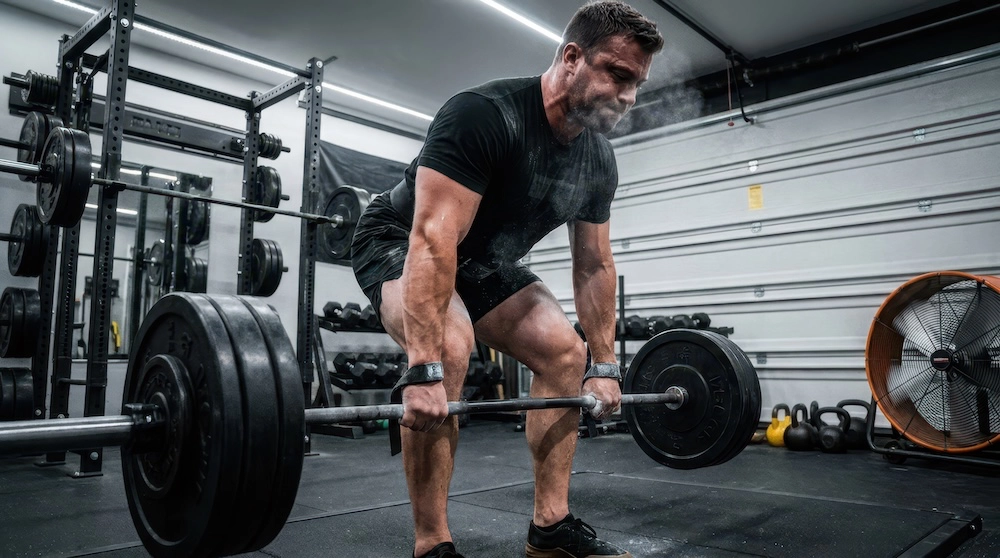
Strength training is not only for bodybuilders. It helps people maintain muscle, support bone health, improve everyday function, and stay capable as they age.
Why Strength Matters
Muscle supports almost every daily task, from carrying groceries to climbing stairs and getting up from a chair. Regular resistance training can improve strength and make those tasks feel easier. For older adults, maintaining strength also supports balance and independence.
What Counts as Strength Training?
Weights are one option, but they are not the only one. Resistance bands, bodyweight exercises, machines, and some forms of manual resistance can all work. The key is applying enough resistance that the muscles are challenged while keeping good technique.
How Often Should You Train?
Public-health guidance recommends muscle-strengthening activity on at least two days each week for adults. A full-body approach can be efficient, especially for beginners. Work the major muscle groups and allow adequate recovery between hard sessions.
Start Lighter Than You Think
Good technique creates a better foundation than chasing heavier loads early. Begin with a resistance you can control through the movement. Increase gradually once the exercise feels comfortable and consistent.
Adapt Training to Your Age and Health
People can benefit from strength work across adulthood, but exercises should fit mobility, balance, injury history, and medical conditions. Older adults may benefit from professional instruction when learning new movements. People with chronic conditions or recent injuries should ask a qualified healthcare or exercise professional about suitable modifications.
Strength training works best as part of a broader routine that also includes aerobic activity, mobility, sleep, and adequate nutrition.
FAQs
Can beginners strength train twice a week?
Yes. Two full-body sessions can be a practical starting point for many adults.
Do I need heavy weights?
No. Resistance should challenge the muscles, but effective strength work can be done with lighter weights, bands, or bodyweight movements depending on the exercise.
Is strength training suitable for older adults?
Often yes, with appropriate exercise selection and progression. Balance, mobility and health conditions should be considered.
