
Rehydration: How to Replace Fluids Safely
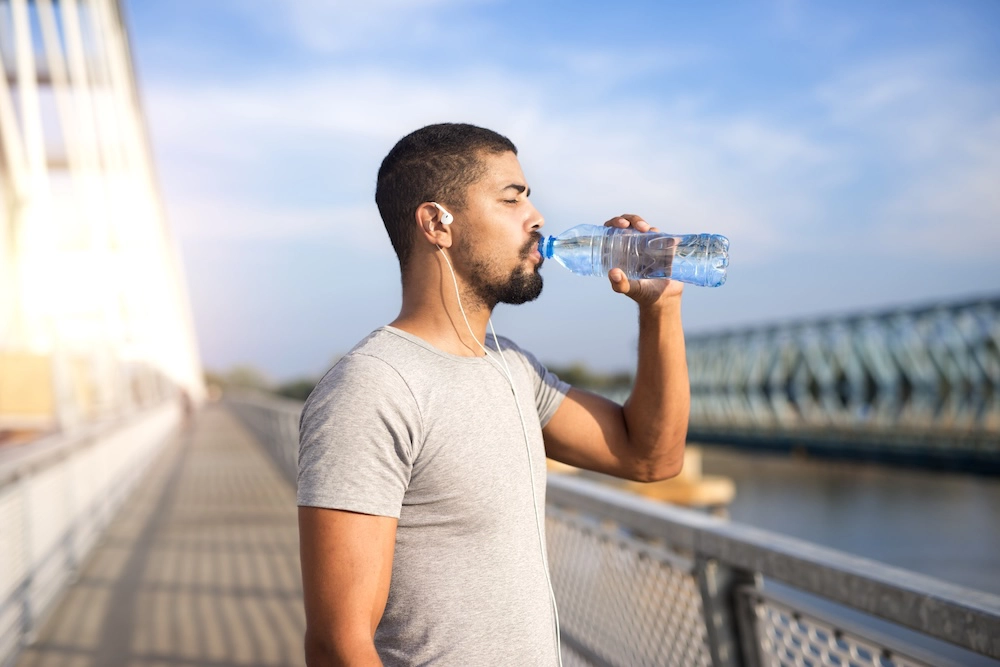
Rehydration means replacing the water and, in some situations, electrolytes lost through sweat, vomiting, diarrhoea, fever, or inadequate fluid intake. The right approach depends on why the fluid was lost and how severe the dehydration is.
Mild Dehydration
For mild dehydration from everyday heat or exercise, water and normal meals are often enough. Drink gradually rather than forcing large amounts at once. Thirst, dry mouth, darker urine, headache, and reduced energy can be early signs that you need more fluid.
When Electrolytes Matter
After heavy sweating or prolonged exercise, food and fluids can replace sodium and other electrolytes. During vomiting or diarrhoea, especially in children and older adults, an oral rehydration solution can be more appropriate than plain water because it contains a specific balance of salts and glucose.
Sports drinks are not automatically necessary for short, easy workouts and can contain significant sugar. Their usefulness depends on exercise duration, sweat loss, heat, and individual needs.
Know the Warning Signs
Seek urgent medical care for confusion, fainting, inability to keep fluids down, very little urine, severe weakness, rapid breathing, or signs of shock. Babies, older adults, and people with kidney, heart, or endocrine conditions can become unwell more quickly.
More Is Not Always Better
Drinking excessive amounts of water very quickly can also be dangerous because it can dilute blood sodium. Rehydrate steadily and do not force fluid far beyond thirst without a clear reason.
If you have been told to restrict fluids because of heart or kidney disease, follow your clinician’s advice rather than generic hydration targets.
FAQs
Is water always enough for rehydration?
Often for mild everyday dehydration, yes. Oral rehydration solutions may be more appropriate for significant fluid losses from vomiting or diarrhoea.
What colour should urine be?
Urine colour varies with food, medication and supplements, but persistently very dark urine together with thirst can suggest you need more fluid.
Can you drink too much water?
Yes. Very large amounts consumed quickly can lower blood sodium and become dangerous.
