
Mindfulness for Anxiety: 5 Beginner Techniques to Try Safely
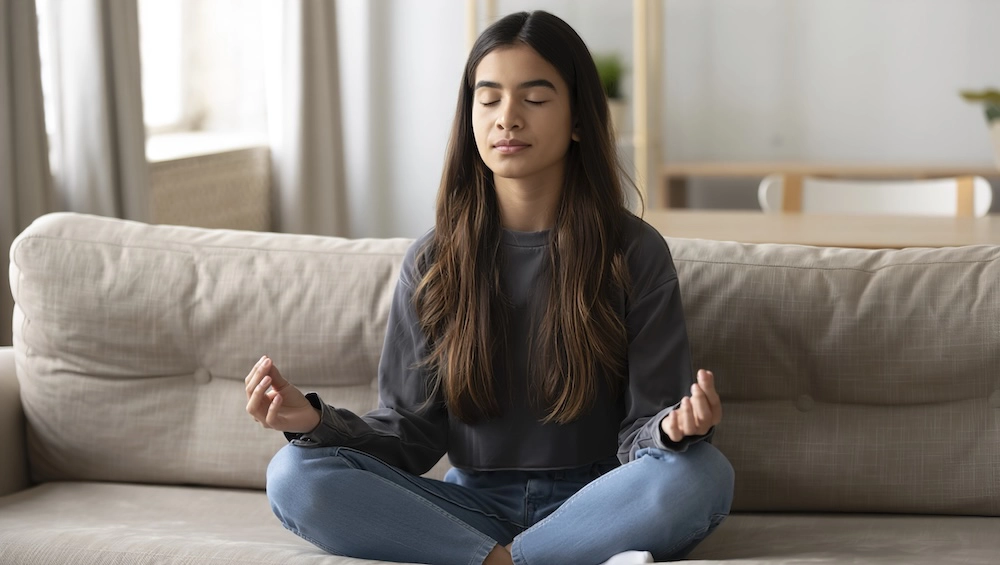
Mindfulness can help some people notice anxious thoughts and physical tension without reacting immediately. Research suggests mindfulness-based approaches may reduce anxiety symptoms for some people, but results are mixed and mindfulness should not be presented as a replacement for evidence-based treatment.
1. Five-Minute Breathing Practice
Sit comfortably and notice the natural rhythm of your breathing. When your attention wanders, gently return to the breath. If focusing on breathing makes anxiety worse, stop and use a different grounding exercise.
2. Five-Senses Grounding
Name things you can see, hear, feel, smell, and taste. This can redirect attention from racing thoughts to the present environment.
3. Mindful Walking
Walk at a comfortable pace and notice the feeling of your feet contacting the ground, the movement of your arms, and the sounds around you.
4. Body Scan
Move your attention slowly through different areas of the body without trying to force them to relax. The aim is awareness, not perfect calm.
5. Label the Thought
When a worry appears, try describing it as ‘a worry about work’ or ‘a fear about tomorrow’ rather than treating the thought as a prediction that must be true.
When Mindfulness Is Not Enough
Seek professional support when anxiety is persistent, causes panic, interferes with work or relationships, leads to avoidance, affects sleep, or feels unmanageable. If you are in immediate danger or thinking about harming yourself, contact local emergency or crisis services now.
Mindfulness is best used as one tool within a broader approach to mental health.
FAQs
Can mindfulness cure anxiety?
No. It may help some people manage symptoms, but anxiety disorders can require professional treatment.
Why does meditation sometimes make me more anxious?
Turning attention inward can feel uncomfortable for some people. Stop the practice and use another grounding method if symptoms worsen.
How long should a beginner meditate?
A few minutes is enough to start. Longer is not automatically better.
