
How to Prevent High Blood Pressure: Everyday Steps That Matter
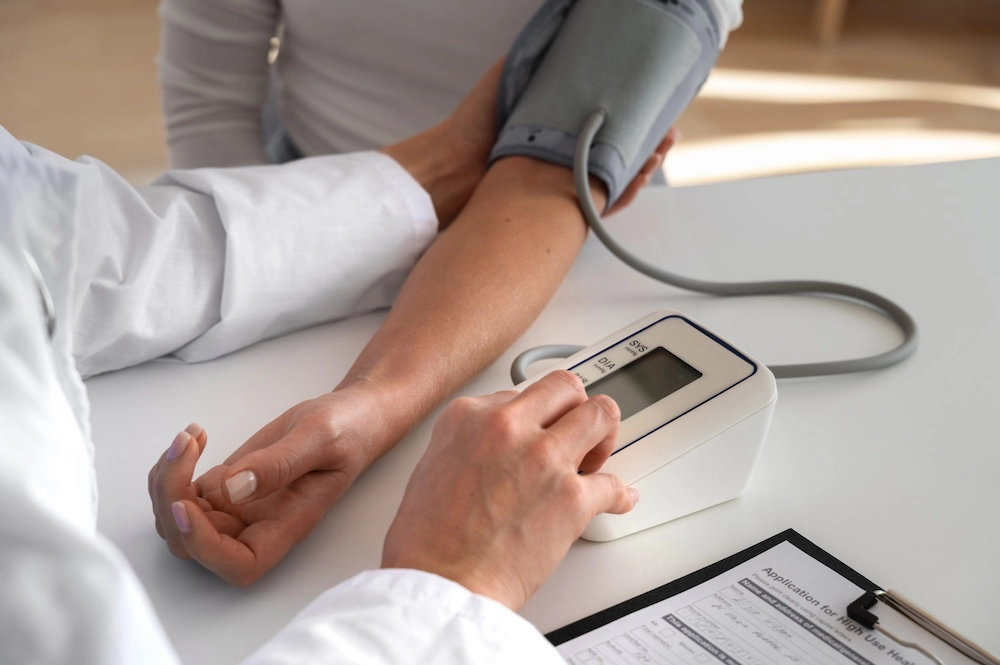
High blood pressure often develops without obvious symptoms, yet it is a major cardiovascular risk factor. Prevention and early management focus on lifestyle, regular blood-pressure checks, and medication when a person’s risk and readings make treatment necessary.
Know Your Blood Pressure
The 2025 AHA/ACC guideline defines normal blood pressure as below 120/80 mm Hg, elevated blood pressure as 120 to 129 systolic with diastolic below 80, stage 1 hypertension as 130 to 139 systolic or 80 to 89 diastolic, and stage 2 hypertension as 140/90 or higher.
A diagnosis should not be based on one rushed reading. Correct technique and repeated measurements matter.
Follow a Heart-Healthy Eating Pattern
The DASH eating plan emphasises vegetables, fruit, whole grains, beans, nuts, fish, poultry, and low-fat dairy while limiting foods high in saturated fat and added sugar. Reducing sodium can further lower blood pressure.
Move Regularly
Moderate physical activity supports blood-pressure control and cardiovascular health. Adults are generally advised to aim for at least 150 minutes of moderate activity a week plus muscle strengthening on two days.
Limit or Avoid Alcohol
Alcohol can raise blood pressure. People who drink should follow current medical advice on risk and limits, while people who do not drink do not need to start for health reasons.
Manage Weight, Sleep, and Stress
For people with overweight, weight reduction can improve blood pressure. Sleep problems, especially sleep apnoea, may also contribute. Stress-management practices can support overall care but should not replace medication when medication is indicated.
If home readings are repeatedly high, discuss them with a healthcare professional rather than waiting for symptoms.
FAQs
Can high blood pressure cause symptoms?
It often causes no symptoms, which is why measurement is important.
Can diet lower blood pressure?
Yes. The DASH eating pattern and lower sodium intake have strong evidence for reducing blood pressure.
Do I still need medication if I improve my lifestyle?
Some people do. Medication decisions depend on blood-pressure level, cardiovascular risk and other health conditions.
