
Hair Loss: Common Causes, Treatments and When to See a Dermatologist
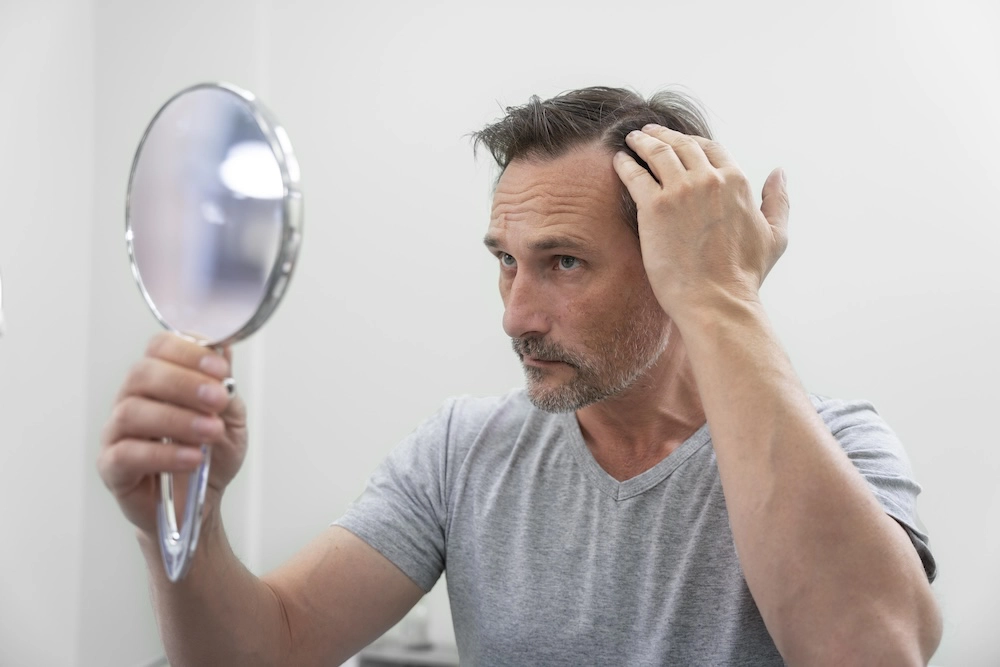
Hair loss is not one condition with one treatment. Genetics, illness, major stress, pregnancy, medication, autoimmune conditions, nutritional problems, scalp disorders, and repeated tension on the hair can all contribute.
The first step is usually identifying the likely cause rather than trying whatever remedy is trending online.
Hair Shedding and Hair Loss Are Different
Some people notice increased shedding several months after a major illness, childbirth, surgery, rapid weight change, or a period of significant stress.
This type of temporary shedding is often referred to as telogen effluvium. Pattern hair loss, alopecia areata, traction alopecia, and scarring forms of hair loss behave differently and may require different treatment.
Knowing the difference matters because treatment that helps one type may be ineffective for another.
Look at the Pattern
The appearance and location of hair loss can provide useful clues.
Gradual thinning around the crown or hairline may occur with hereditary pattern hair loss. Smooth, round patches can occur with alopecia areata.
Pain, burning, scaling, pustules, or shiny scar-like areas can suggest a scalp disorder that deserves professional assessment.
Sudden hair loss, eyebrow or eyelash loss, or shedding alongside other unexplained symptoms should also be discussed with a healthcare professional.
Nutrition Can Affect Hair Health
Severe dietary restriction or a genuine nutritional deficiency can sometimes contribute to hair changes.
However, taking large doses of supplements without evidence of a deficiency is not automatically helpful. Iron, zinc, vitamin D, and other nutrients should be considered in the context of your actual needs.
A practical starting point is to focus on building a balanced everyday diet that provides adequate protein, energy, vitamins, minerals, and essential fats.
If a clinician suspects a nutritional problem, they may recommend testing or personalised dietary advice.
Stress Can Contribute to Shedding
Major emotional or physical stress can trigger temporary shedding in some people.
That does not mean every case of hair loss is caused by stress. Persistent or unusual hair loss still deserves proper assessment.
If stress is affecting several areas of your life, these practical stress-reduction techniques may help you build healthier coping habits alongside appropriate professional support.
Treatment Depends on the Cause
Some types of hair loss may respond to topical or oral medication. Others may improve after correcting a deficiency, changing damaging hair-care practices, or treating an underlying health or scalp condition.
No single treatment works for every person.
That is why an accurate diagnosis is more useful than automatically trying products marketed as universal hair-growth solutions.
Be Careful With DIY Hair Remedies
Home remedies involving oils, juices, foods, and supplements are frequently promoted online.
Evidence for many of these approaches is limited. Some may irritate the scalp, delay appropriate diagnosis, or simply provide no meaningful benefit.
For example, our review of what the evidence says about potatoes for skin and hair explains why a familiar kitchen ingredient should not automatically be treated as a proven hair-growth treatment.
Natural does not always mean effective or harmless.
Avoid Hairstyles That Pull on the Hair
Repeated tension from very tight braids, ponytails, extensions, or similar hairstyles can contribute to traction alopecia.
Changing the hairstyle early may help reduce further damage. Continued tension over a long period can sometimes lead to permanent hair loss.
Pay attention to scalp pain, broken hairs around the hairline, or thinning where the hairstyle applies the most tension.
Healthy Habits Still Matter
General wellbeing does not guarantee thick hair, but it can help reduce avoidable problems.
Adequate nutrition, regular movement, sleep, stress management, and sensible personal care form part of a healthier overall routine. Our guide to healthy habits for long-term wellness covers these foundations in more detail.
These habits should complement, not replace, evaluation when hair loss is persistent or concerning.
When to See a Dermatologist
Consider professional assessment if hair loss is:
- Sudden or rapidly worsening
- Patchy
- Accompanied by scalp pain, redness, scaling, or scarring
- Affecting the eyebrows or eyelashes
- Continuing for several months
- Associated with unexplained fatigue, weight changes, or other symptoms
- Causing significant concern or distress
Earlier assessment can be important because some forms of hair loss respond better when treatment begins before permanent follicle damage develops.
FAQs
Can stress cause hair shedding?
Yes. Major physical or emotional stress can trigger temporary shedding in some people, although other causes should be considered when shedding persists.
Do hair supplements work?
They may help when they address a genuine nutritional deficiency or have evidence for a specific condition. Taking more vitamins or minerals than you need is not automatically beneficial.
Can tight hairstyles cause permanent hair loss?
Repeated tension can cause traction alopecia. If the pulling continues for a long time, some hair loss may become permanent.
