
Healthy Carbohydrates: How to Choose Carbs Without Fear
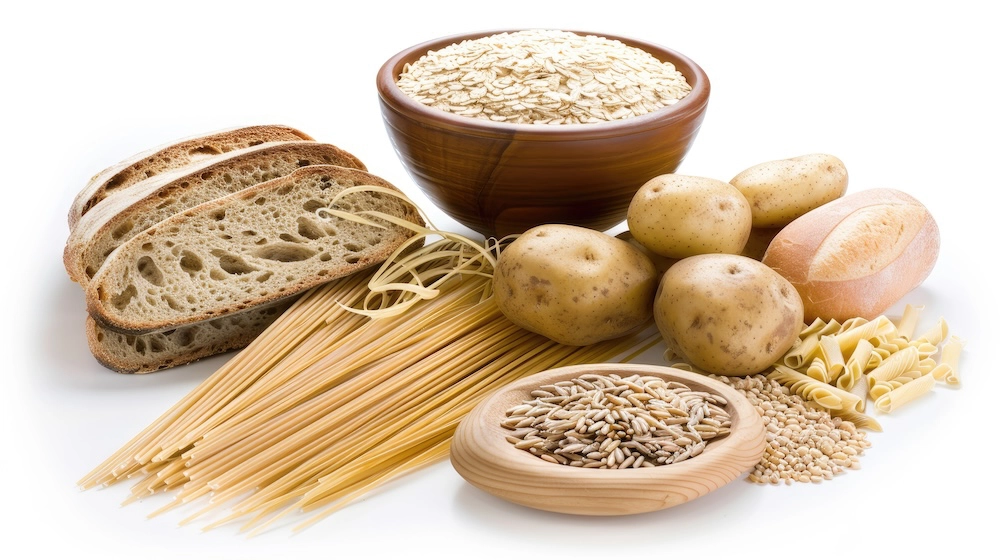
Carbohydrates provide energy and are found in fruit, grains, beans, lentils, starchy vegetables, milk, sweets, and many processed foods. Because the category is so broad, saying ‘carbs are bad’ misses the point.
Focus on Carbohydrate Quality
Whole grains, beans, lentils, vegetables, and whole fruit provide fibre and nutrients. Refined grains and foods high in added sugars can still fit occasionally, but they often provide less fibre and may be easier to overeat.
Fibre Matters
Fibre supports digestive health and can help with fullness. Increase fibre gradually and drink enough fluid, especially if your current diet is low in fibre.
Portions Depend on the Person
A long-distance runner, a sedentary office worker, and a person with diabetes may need very different amounts and timing. There is no universal carbohydrate portion that suits everyone.
Pair Carbohydrates With Other Foods
Combining a carbohydrate source with protein, vegetables, and healthy fats can make meals more satisfying and nutritionally balanced. For example, try oats with yoghurt and fruit, rice with vegetables and fish, or wholegrain toast with eggs and tomatoes.
Low-Carb Is Not the Only Healthy Option
Some people prefer lower-carbohydrate eating, but a healthy diet can also include substantial carbohydrate from minimally processed foods. Sustainability, nutritional adequacy, and medical suitability matter more than a diet label.
FAQs
Are potatoes healthy carbohydrates?
They can be. Preparation method, portion, and what you eat with them all influence the overall meal.
Is fruit too high in sugar?
Whole fruit provides fibre, water, vitamins, and minerals and can fit well in a balanced diet.
Should people with diabetes avoid carbohydrates?
Not necessarily. Carbohydrate amount, type, timing, medication, and blood-glucose goals should be individualised with appropriate clinical guidance.
