
Foods That Support Normal Immune Function
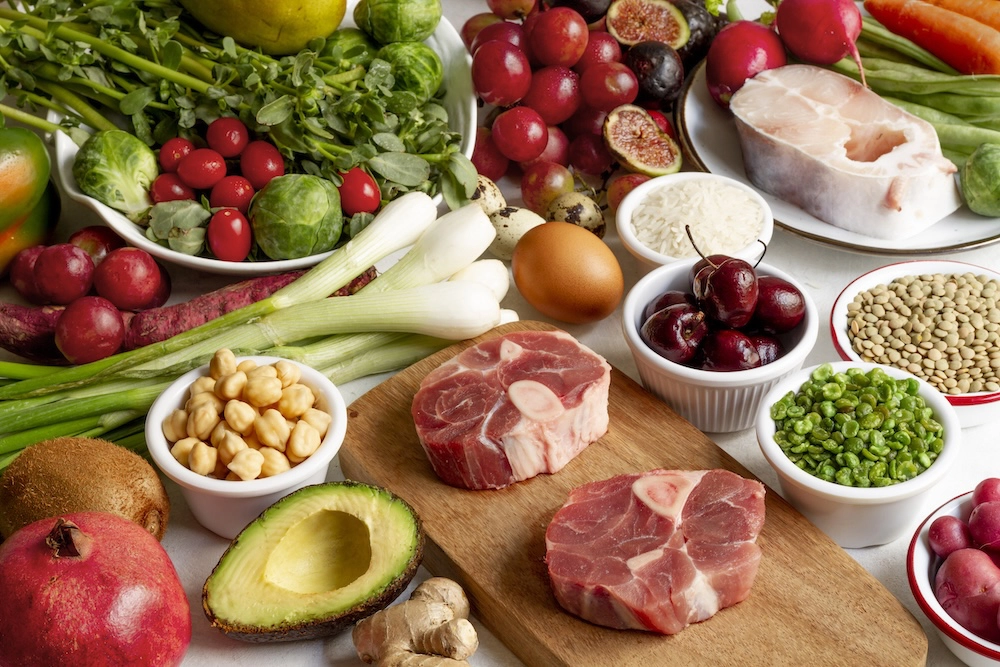
No food can guarantee that you will avoid infections, and there is no proven meal that instantly ‘boosts’ the immune system. What food can do is provide the energy, protein, vitamins, minerals, and other nutrients the body needs for normal immune function.
Vegetables and Fruit
A variety of colours helps provide vitamin C, folate, carotenoids, fibre, and other nutrients. Citrus fruit, berries, peppers, leafy greens, carrots, and tomatoes can all contribute.
Protein Foods
Immune cells depend on protein. Fish, eggs, dairy foods, beans, lentils, tofu, poultry, meat, nuts, and seeds are examples. Your needs vary with body size, age, activity, and health.
Whole Grains and Fibre-Rich Foods
Oats, brown rice, wholegrain bread, beans, and other fibre-rich foods support digestive health and provide useful nutrients.
Nuts, Seeds, and Healthy Fats
Foods such as nuts, seeds, avocado, olive oil, and oily fish provide unsaturated fats and micronutrients. Portions still matter because these foods are energy dense.
Fortified Foods When Appropriate
Fortified foods can help people meet specific nutrient needs, such as vitamin D or vitamin B12, depending on diet and location. Supplements may be appropriate when deficiency is diagnosed or intake is inadequate, but high doses are not automatically better.
The practical goal is variety, enough food overall, and a pattern you can maintain. Be cautious with lists promising that ten foods will prevent colds, flu, or other infections.
FAQs
What is the best food for immunity?
There is no single best food. A varied diet is more useful because different nutrients support different body functions.
Do garlic, ginger, or lemon prevent colds?
They can be part of a healthy diet, but they should not be presented as proven ways to prevent or cure respiratory infections.
Should I take vitamin supplements for immunity?
Only when they are appropriate for your needs. Deficiency, diet, medication, pregnancy, and health conditions can change recommendations.
