
Healthy Eating With Carbohydrates: 8 Practical Ways to Build Better Meals
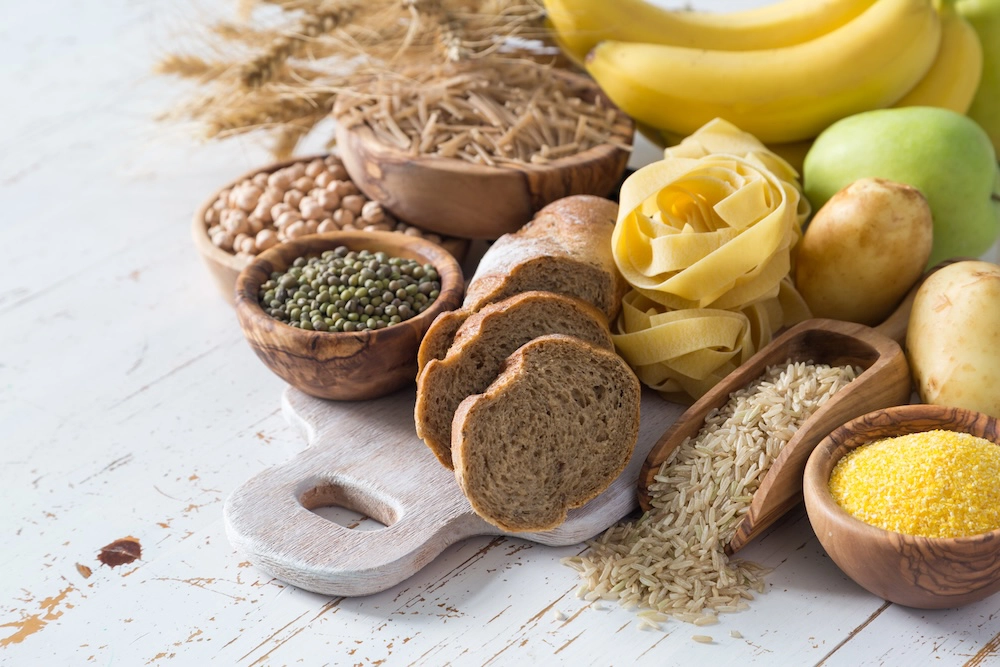
Carbohydrates are a normal part of many healthy eating patterns. The useful question is not whether to remove them completely, but which sources you choose, how much you eat, and what the rest of the meal looks like.
1. Choose Whole Grains More Often
Oats, brown rice, barley, wholegrain bread, and other less-refined grains generally provide more fibre than refined alternatives.
2. Eat Whole Fruit
Fruit provides carbohydrate along with fibre, water, vitamins, and minerals. Juice is easier to consume quickly and usually contains less fibre.
3. Include Beans and Lentils
Legumes provide carbohydrate, fibre, and plant protein in the same food.
4. Keep Potatoes and Other Starchy Vegetables in Perspective
Preparation matters. Boiled, baked, or roasted potatoes can fit into a balanced meal. Frequent deep-frying changes the nutritional profile.
5. Pair Carbohydrates With Protein
Add eggs, yoghurt, fish, chicken, tofu, beans, or another protein source to make meals more balanced.
6. Add Vegetables
Vegetables add volume, fibre, flavour, and micronutrients without requiring complicated recipes.
7. Watch Added Sugars
Sugary drinks, sweets, and many highly processed snacks can contribute a lot of carbohydrate with relatively little fibre or satiety.
8. Adjust Portions to Your Needs
Activity level, body size, medication, diabetes, pregnancy, and training goals can change carbohydrate needs. Use your response, appetite, and professional advice rather than a universal number.
FAQs
Are carbohydrates essential?
The body can adapt to different carbohydrate intakes, but many nutritious foods contain carbohydrate and can fit well in a healthy diet.
Are whole grains always better?
They generally provide more fibre and nutrients than refined grains, although individual tolerance and medical needs may vary.
Can people with diabetes eat carbohydrates?
Yes. Amount, type, timing, medication and glucose response should be considered individually.
