
Healthy Ageing: 5 Habits That Support Strength, Independence and Wellbeing
Healthy ageing is not about trying to stop time. It is about protecting function, independence, connection, and quality of life as the years pass.
1. Keep Moving
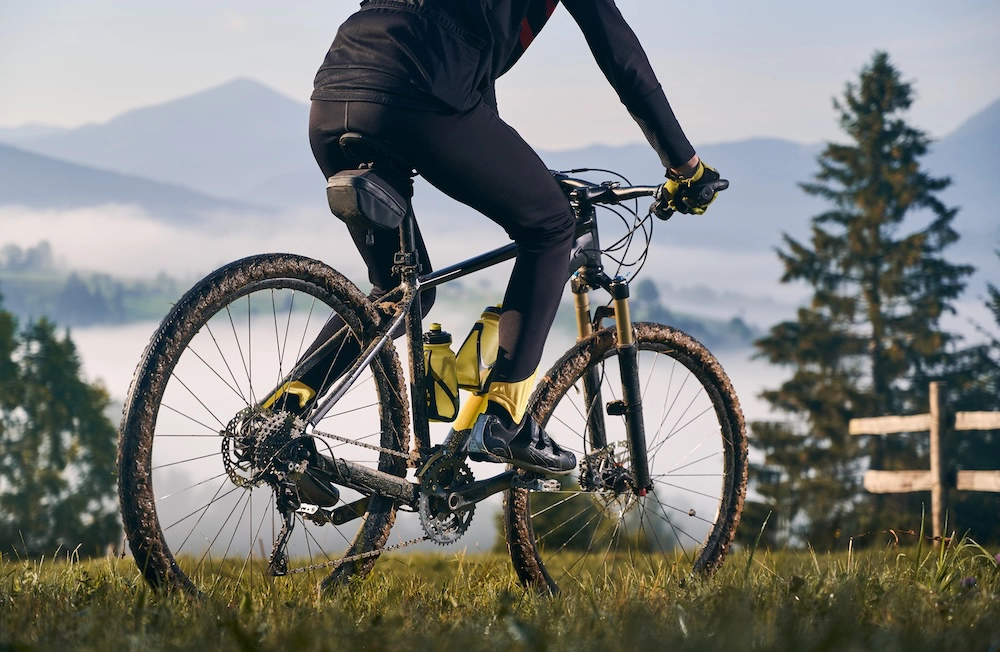
Walking, cycling, swimming, dancing, and other aerobic activities support cardiovascular health and endurance. Older adults should also include strength and balance work when appropriate.
2. Train for Strength and Balance
Simple resistance exercises can help maintain muscle needed for stairs, carrying, and getting up from a chair. Balance activities can support confidence and may help reduce fall risk when matched to ability.
3. Eat for Health, Not Hype
A varied diet with vegetables, fruit, whole grains, protein foods, and healthy fats supports energy and nutrient intake. Appetite, chewing problems, medications, and health conditions can affect nutrition in later life, so some people benefit from personalised dietary advice.
4. Stay Socially Connected
Regular contact with friends, family, community groups, or volunteering can support emotional wellbeing and reduce isolation. Social activity can also make physical activity easier to maintain.
5. Keep Up With Preventive Care
Vaccinations, medication reviews, vision and hearing care, dental care, and recommended screening should be tailored to personal health history and risk.
Ageing well is highly individual. A useful plan focuses on what helps you continue doing the things that matter to you, with professional support when health changes create new limitations.
FAQs
Is strength training safe for older adults?
Often yes when exercises are selected and progressed appropriately. People with health conditions, balance problems, or recent injuries should seek tailored advice.
Why is social connection part of healthy ageing?
Social connection supports emotional wellbeing and can help people stay engaged, active, and connected to practical support.
Do nutritional needs change with age?
They can. Appetite, medication, activity, chronic illness, and absorption may affect individual needs.
