
Eye Health: Everyday Care, Routine Exams and Warning Signs
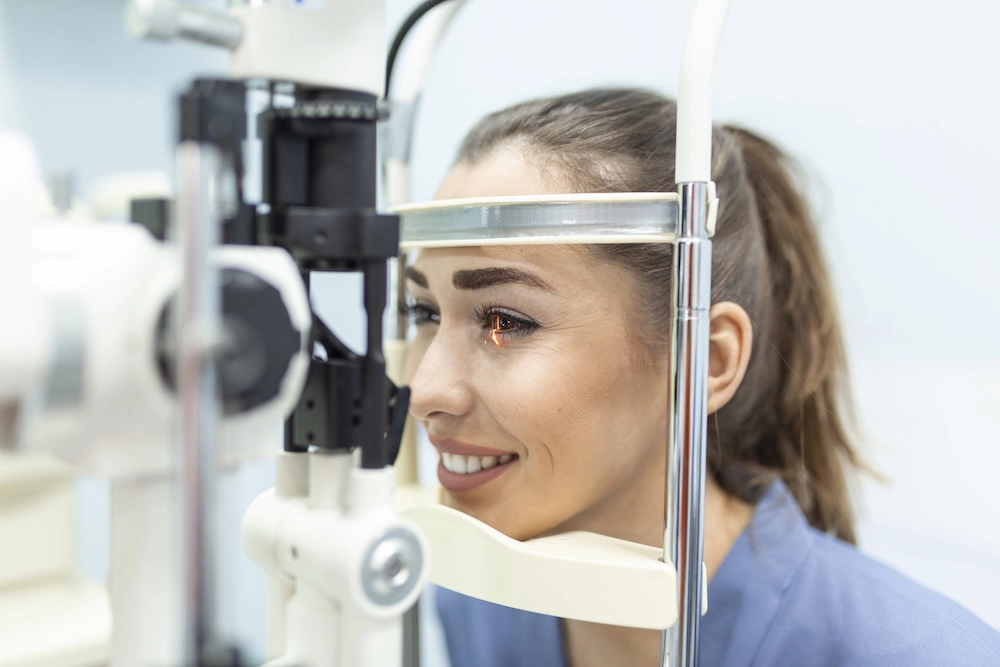
Many eye problems develop gradually, while others require urgent attention. Good eye care includes everyday habits, appropriate eye protection, and professional examinations based on age, symptoms, and risk.
Protect Your Eyes From Injury
Use suitable protective eyewear for work, sports, home improvement, and any activity where debris or chemicals could reach the eyes. Sunglasses that block ultraviolet radiation can also reduce UV exposure.
Take Screen Breaks
Long periods of close work can contribute to eye strain, dryness, or headaches. Look away regularly, blink fully, adjust screen position, and make sure lighting is comfortable.
Look After General Health
Conditions such as diabetes and high blood pressure can affect the eyes. Managing these conditions and attending recommended health checks can help protect vision.
Keep Eye Exams on Your Health Calendar
The right examination schedule depends on age, glasses or contact-lens use, family history, diabetes, symptoms, and previous eye disease. An optometrist or ophthalmologist can recommend an interval based on your risk.
Know the Red Flags
Sudden loss of vision, a curtain or shadow over vision, new flashes with many floaters, severe eye pain, chemical injury, or a significant eye trauma can require urgent assessment. Do not wait for a routine appointment when vision changes suddenly.
Everyday habits matter, but they cannot replace an eye examination when symptoms or risk factors are present.
FAQs
How often should adults have an eye exam?
There is no single schedule for everyone. Frequency depends on age, vision correction, medical conditions, family history, and previous findings.
Can screens permanently damage the eyes?
Typical screen use is more often linked with temporary eye strain than permanent damage, but comfortable setup and breaks are still useful.
Are sudden floaters urgent?
A sudden increase in floaters, especially with flashes or a shadow in vision, should be assessed promptly.
