
Cholesterol Testing: When to Check It and What the Numbers Mean
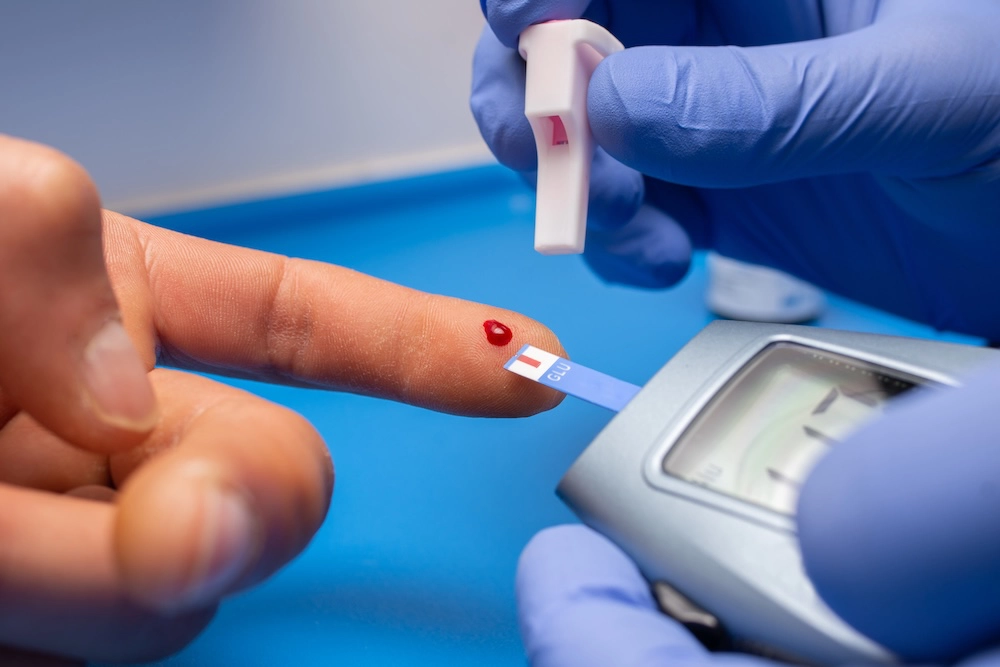
High cholesterol usually does not cause symptoms. That is why testing matters. A lipid panel can identify levels that may increase cardiovascular risk before you feel unwell.
What a Cholesterol Test Measures
A typical lipid panel reports total cholesterol, LDL cholesterol, HDL cholesterol, and triglycerides. These numbers are interpreted alongside age, blood pressure, smoking, diabetes, kidney disease, family history, and other cardiovascular risk factors.
There Is No Single Target for Everyone
The right LDL goal depends on overall risk. Someone with established cardiovascular disease may need a much lower LDL level than a young adult with no major risk factors. Treatment decisions should therefore be based on the whole risk profile rather than one isolated number.
When Should You Be Tested?
Screening schedules vary according to age, medical history, family history, and previous results. Adults with diabetes, known cardiovascular disease, kidney disease, or a strong family history may need closer monitoring.
High Cholesterol Is Often Silent
Chest pain is not a typical symptom of high cholesterol itself. Chest pain can signal heart or other serious problems and should be assessed appropriately. Waiting for symptoms is not a good way to detect a cholesterol problem.
Lifestyle and Medication Can Both Matter
A heart-healthy eating pattern, regular physical activity, avoiding tobacco, and managing blood pressure all support cardiovascular health. Some people also need cholesterol-lowering medication based on their risk.
Ask your healthcare professional when your next lipid panel is due and how your numbers fit into your overall cardiovascular risk.
FAQs
Can you feel high cholesterol?
Usually not. High cholesterol is commonly asymptomatic.
Is total cholesterol the most important number?
Not by itself. LDL, HDL, triglycerides and overall cardiovascular risk all contribute to interpretation.
How often should cholesterol be checked?
It depends on age, prior results and risk factors. A clinician can recommend an interval that fits your situation.
